
How To Be Safe In The Sun
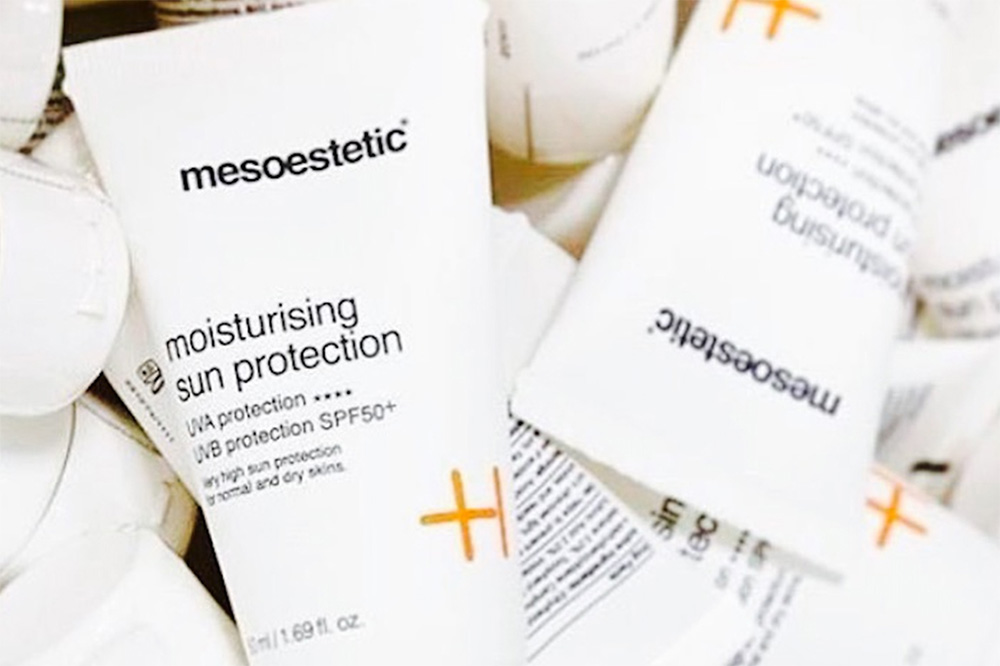
At Emporium Treatment Clinic in Marylebone, one of the questions I’m asked most often is whether protecting the skin from the sun is really that important.
My answer is always the same; yes absolutely. Sun protection is not just about preventing sunburn; it’s one of the most important steps you can take to maintain healthy, youthful skin.
What Damage Can The Sun Cause To Your Skin?
Too much sun does not just cause sunburn; it can seriously age and damage your skin over time. We are looking at fine lines, wrinkles, sagging, uneven skin tone and pigmentation. More importantly, long-term sun exposure can increase your risk of skin cancer.
There are two main types of skin cancer:
Non-melanoma skin cancer is the most common type. These usually develop slowly in the upper layers of the skin and include types like basal cell carcinoma and squamous cell carcinoma. Treatment often involves removing the affected cells.
Melanoma is less common but more dangerous. It can spread quickly if not caught early, so early detection is key.
Be mindful to regularly check your skin. If you notice any changes in a mole or lesion such as changes in size, shape, colour, or border it is important to get it checked by a medical professional as soon as possible.
What Is The Solar Spectrum?
The sun gives off different types of light and radiation and each affects your skin differently.
UVA Rays
These penetrate deep into the skin and are present all day, even when it is cloudy or cool. They can pass through glass and are mainly responsible for premature ageing, tanning, allergies and skin damage.
UVB Rays
These affect the surface layer of the skin and are the main cause of sunburn, redness and skin damage.
UVC Rays
These are the most dangerous type of UV radiation, but thankfully they are absorbed by the Earth’s ozone layer and do not normally reach the skin. Because of this, they’re not something we are exposed to during normal sun exposure.
HEV (Blue Light)
This comes from both the sun and screens like phones, computers and TVs. It can contribute to premature ageing and pigmentation, although it is not linked to skin cancer.
Who Is Affected By Sun Damage?
Simply everyone!
If your skin is exposed to the sun, some level of damage happens over time. Even in places like the UK, many people experience sunburn at least once a year.
How To Stay Safe In The Sun
Looking after your skin does not have to be complicated, just build these habits into your routine:
- Apply SPF to your face, ears and neck every day
- Use sunscreen on all exposed skin
- Apply sunscreen 30 minutes before sun exposure
- Use enough product, most people don’t
- Reapply every 2–3 hours
- Seek shade when possible
- Wear sunglasses & protective clothing
- Wear a hat
- Avoid peak sun hours between 11am – 3pm
- Never allow your skin to burn
- Avoid sunbeds
Choosing The Right Sunscreen
Not all sunscreens are the same, so it is important to pick one that suits your skin type and lifestyle.
Skin Type Matters
Different skin types react differently to the sun. The Fitzpatrick scale is often used to identify how easily skin burns, from very fair skin that burns easily to darker skin that rarely burns.
Also think about how oily or dry your skin is:
- Dry or normal skin: Cream-based SPF works well
- Oily skin: Look for lighter, oil-free or mattifying formulas
- Combination skin: Choose a balanced, lightweight formula
What Does SPF Actually Mean?
SPF (Sun Protection Factor) tells you how much protection a sunscreen gives against UVB rays.
Typical SPF levels include:
- SPF 15–25: High protection
- SPF 30–50: Very high protection
- SPF 50+: Ultra protection
Important to know that Higher SPF does not mean you can stay in the sun longer, you still need to reapply.
Always choose a sunscreen that protects against both UVA and UVB, added antioxidants is also beneficial for skin health.
Types Of Sunscreen Filters
Most sunscreens use one or more of these filters:
Physical (Mineral) Filters
These sit on the skin’s surface and reflect UV rays. They work immediately and are great for children or sensitive skin, though they can sometimes feel thick or leave a white cast.
Chemical Filters
These absorb UV rays and convert them into harmless energy. They need about 30–40 minutes to activate.
Biological Filters
These contain antioxidants like vitamin E. They do not block UV rays directly but help protect skin cells from damage.
Sunscreens come in many forms such as creams, gels, sprays, sticks, and water-resistant formulas so choose one that fits your lifestyle, especially if you swim or exercise outdoors.
Special Sun Care For Skin
Some skin types need extra thought when choosing SPF.
For Oily Skin:
Look for non-comedogenic, lightweight formulas that won’t clog pores or feel greasy. Mattifying or fluid textures work best.
For Hyperpigmentation:
Consistent sun protection and antioxidants are essential to prevent dark spots from worsening.
Caring For Sensitive Skin
Sensitive skin needs extra care and gentle treatments. The right facial treatments can help:
- Calm irritation
- Repair and strengthen the skin barrier
- Improve hydration
- Restore a healthy, balanced appearance
The goal is always the same; calmer, healthier, more resilient skin.
Need Skin Care Advise?
At Emporium Treatment Clinic in Marylebone London, Angela, the advanced aesthetician with over 37 years of experience, will assess your skin thoroughly and guide you towards the most suitable treatment for your goals.
If you’d like advice or want to explore your options, contact
Emporium Treatment Clinic
07930661971
Author: Angela Taffinder the founder of Emporium Treatment Clinic. A practising Aesthetician for 35+ years, holistic and wellbeing advocate and yoga instructor. The creator of Yoga & Vitality.
Skin Care & Body Analysis & Consultation
Available at Emporium Treatment Clinic provided by Angela Taffinder the founder of Emporium Treatment Clinic and practising Aesthetician for 35+ years
Contact Us here
Health & Wellness Analysis & Consultation
Available at Emporium Treatment Clinic provided by highly qualified, experienced Doctors, Nutritionist, Holistic Medicine practitioners and Wellness experts.
Contact Us here